Five years ago, if you mentioned “electric vehicle insurance” to an insurance agent, you’d probably get a blank stare. Fast forward to today, and the entire motor insurance industry is scrambling to keep up with India’s electric revolution. And honestly? It’s about time.
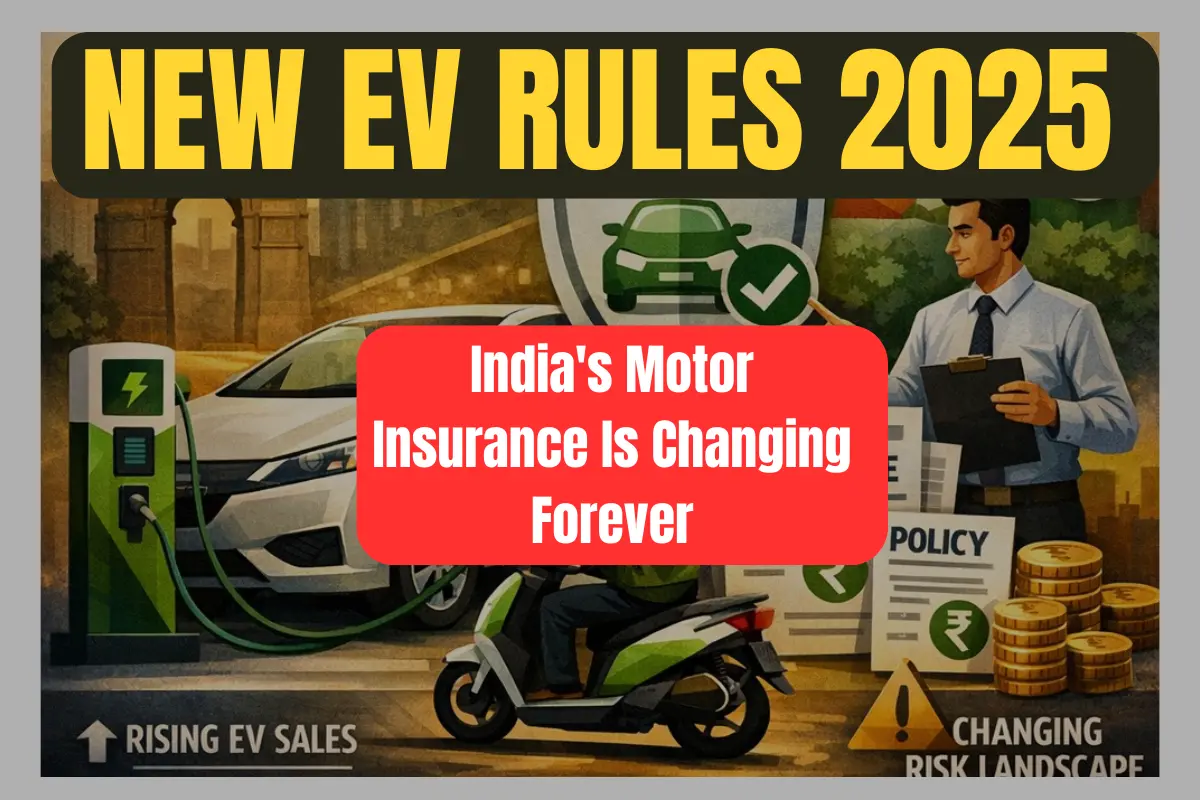
India’s EV market isn’t just growing – it’s exploding like a rocket. And this surge is forcing the ₹90,000 crore motor insurance industry to completely reinvent itself. Whether you’re an EV owner, planning to buy one, or just curious about where things are heading, this shift affects you directly.
Table of Contents
What’s Actually Happening?
Here’s the simple version: More Indians are buying electric vehicles than ever before. This means insurance companies can’t keep using their old playbooks. They’re creating entirely new products, pricing models, and coverage options specifically designed for EVs. Think of it as the insurance industry getting a software update it desperately needed.
The Numbers Tell the Story
EV Sales Are Through the Roof
India sold over 1.5 million electric vehicles in 2024 alone. That’s a 40% jump from the previous year! Electric two-wheelers lead the charge, followed by electric cars and commercial vehicles. By 2030, experts predict EVs will make up 30% of all new vehicle sales.
Insurance Premiums Are Shifting
Traditional petrol vehicle insurance premiums have remained relatively flat. But EV insurance? It’s a whole new ballgame. Initially, EV premiums were 15-20% higher due to expensive batteries. Now, as the market matures, we’re seeing more competitive pricing and specialized coverage.
New Players Entering the Game
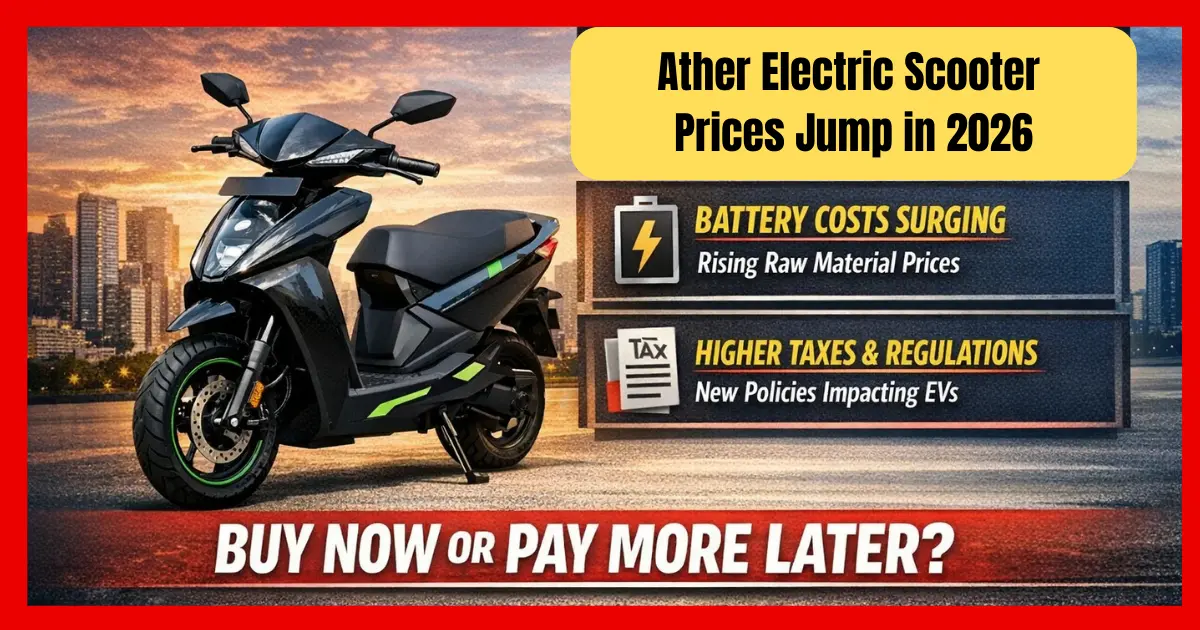
It’s not just old insurance giants anymore. Insurtech startups like Acko, Digit, and GoDigit are creating EV-first policies. Even vehicle manufacturers like Ather and Ola Electric now offer integrated insurance solutions.
Traditional vs EV Insurance: The Real Differences
| Aspect | Traditional Vehicle Insurance | EV-Specific Insurance |
|---|---|---|
| Battery Coverage | Not included | Core component covered |
| Premium Calculation | Engine capacity (CC) | Battery capacity (kWh) |
| Depreciation | High on parts | Lower on electronics |
| Roadside Assistance | Fuel delivery included | Charging assistance included |
| Software Damage | Not covered | Often covered |
| Fire Risk Coverage | Standard | Enhanced (battery fires) |
| Average Premium | ₹3,000-8,000/year | ₹4,500-12,000/year |
| Claim Complexity | Standard | Requires EV expertise |
Why This Shift Matters
Better Protection for EV Owners
Finally, policies that understand an EV battery can cost ₹1-2 lakh to replace. Traditional insurance treated this like any other “part” – now it gets proper coverage.
Competitive Pricing Ahead
More insurers entering the EV space means better rates for consumers. It’s basic economics – competition drives prices down and quality up.
Simplified Claims Process
Specialized EV insurers understand what a motor controller failure means. No more explaining technical terms to clueless claims adjusters.
The Good and The Challenging
Positives:
- Tailored Coverage – Policies designed specifically for electric vehicles
- Battery Protection – The most expensive component finally gets proper insurance
- Lower Long-term Costs – EVs have fewer moving parts, potentially fewer claims
- Digital-First Experience – Most EV insurers offer seamless app-based services
- Green Incentives – Some insurers offer discounts for eco-friendly vehicles
- Faster Claims – Specialized knowledge means quicker processing
Challenges:
- Higher Initial Premiums – Still costlier than traditional vehicle insurance
- Limited Repair Networks – Not all garages can handle EV repairs
- Battery Valuation Issues – Determining battery depreciation remains tricky
- Data Privacy Concerns – Connected EVs share lots of driving data
- Policy Confusion – Too many new options can overwhelm buyers
Read Also: Free Scooty Scheme 2025
Your Questions Answered
Q1: Is EV insurance mandatory in India?
Yes! Third-party insurance is mandatory for all vehicles, including EVs. Comprehensive coverage is optional but highly recommended given battery costs.
Q2: Why is EV insurance more expensive?
Mainly because of expensive batteries and specialized repair requirements. However, this gap is narrowing as the market matures.
Q3: Does EV insurance cover battery degradation?
Most comprehensive EV policies cover sudden battery failure. Gradual degradation is typically covered under manufacturer warranty, not insurance.
Q4: Can I insure my electric scooter with regular two-wheeler insurance?
Technically yes, but you’d miss crucial battery and electrical coverage. EV-specific policies are strongly recommended.
Q5: Which insurance company is best for electric vehicles?
ICICI Lombard, HDFC ERGO, and Digit offer strong EV-specific policies. Compare based on battery coverage and claim settlement ratios.
Q6: Do EVs have lower insurance claims overall?
Early data suggests yes – fewer engine-related issues mean fewer claims. This could lead to lower premiums in the future.
Q7: What documents do I need for EV insurance?
RC, previous policy (if any), battery warranty certificate, and vehicle invoice. Some insurers also ask for charging station installation proof.
The Road Ahead
Here’s the bottom line: India’s motor insurance industry is undergoing its biggest transformation in decades, and electric vehicles are driving this change. For consumers, this means more choices, better coverage, and eventually, more competitive pricing.
If you’re considering an EV purchase, factor in insurance costs from day one. And if you already own an electric vehicle, now’s the perfect time to review your policy – the market has evolved significantly.
The future is electric, and finally, insurance companies are plugging into this reality.
Thinking about switching to an electric vehicle? Visit Mukesh Honda today and let our experts guide you through everything – from choosing the right EV to finding the perfect insurance coverage. Your electric journey starts here!